Make a submission
Theres different ways you can help this project grow. Everyone has part of the pattern to contribute. Please consider sharing your work in this library.
Accepting Submissions
 Dossier 6 · 2027
Cyberdelics
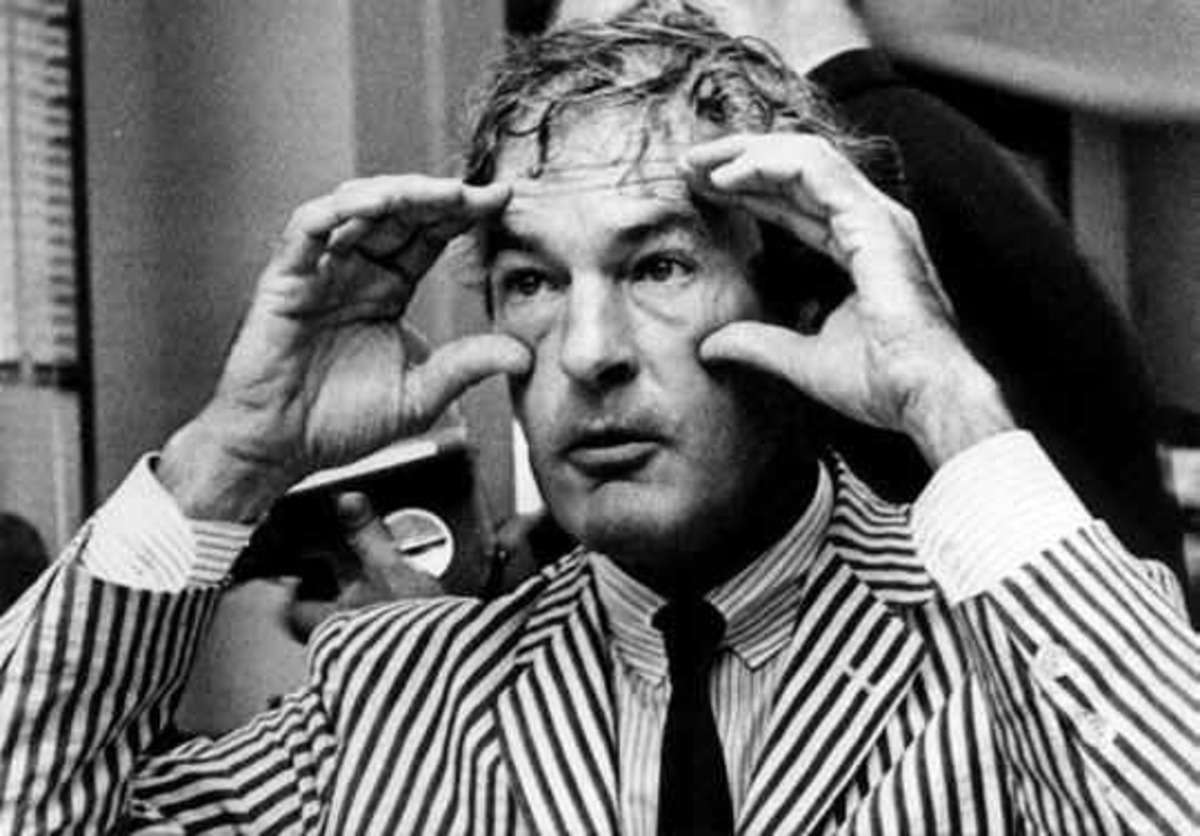
The Synthetic ImaginalThe newest instrument in the oldest sequence. Generative image, immersive environment, cyberdelic media — and the question the archive has been building toward: if awe can be engineered on demand, what happens to the authority of the state it induces?
Contribute to this dossier →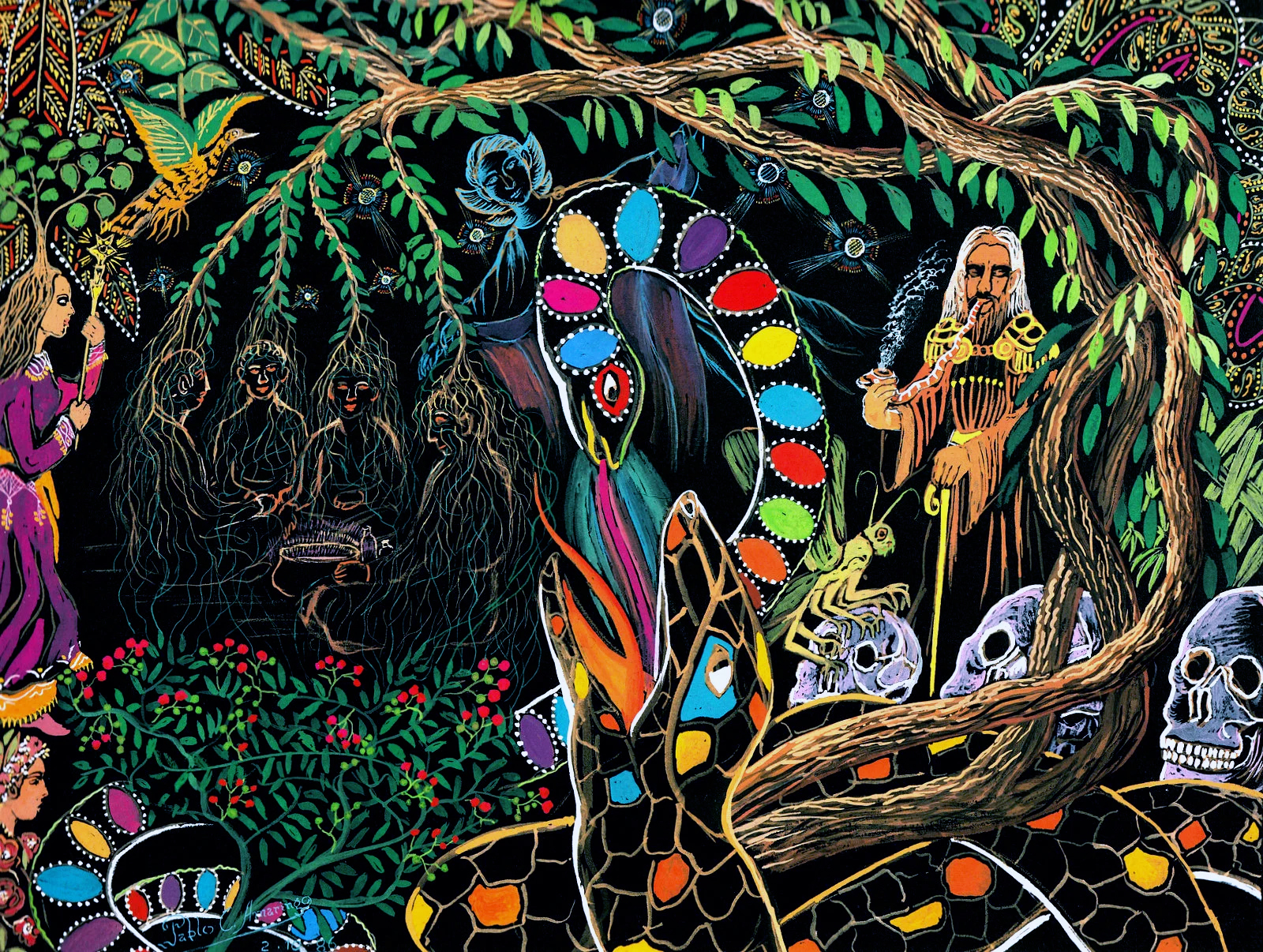 Dossier 5 · 2026
Entheogenic Shamanism
The Visionary PharmakonThe Greeks had one word - pharmakon - for both remedy and poison. This dossier takes the plant as an instrument rather than a sacrament or a drug. The plant arranges a condition. Jonathan Ott, who with Ruck, Bigwood, Staples and Wasson coined the word 'entheogen'. Ott had no patience for the phrase psychedelic renaissance: nothing had died, so nothing was being reborn - the practice has been continuous for ten thousand years and is still going strong.
Contribute to this dossier →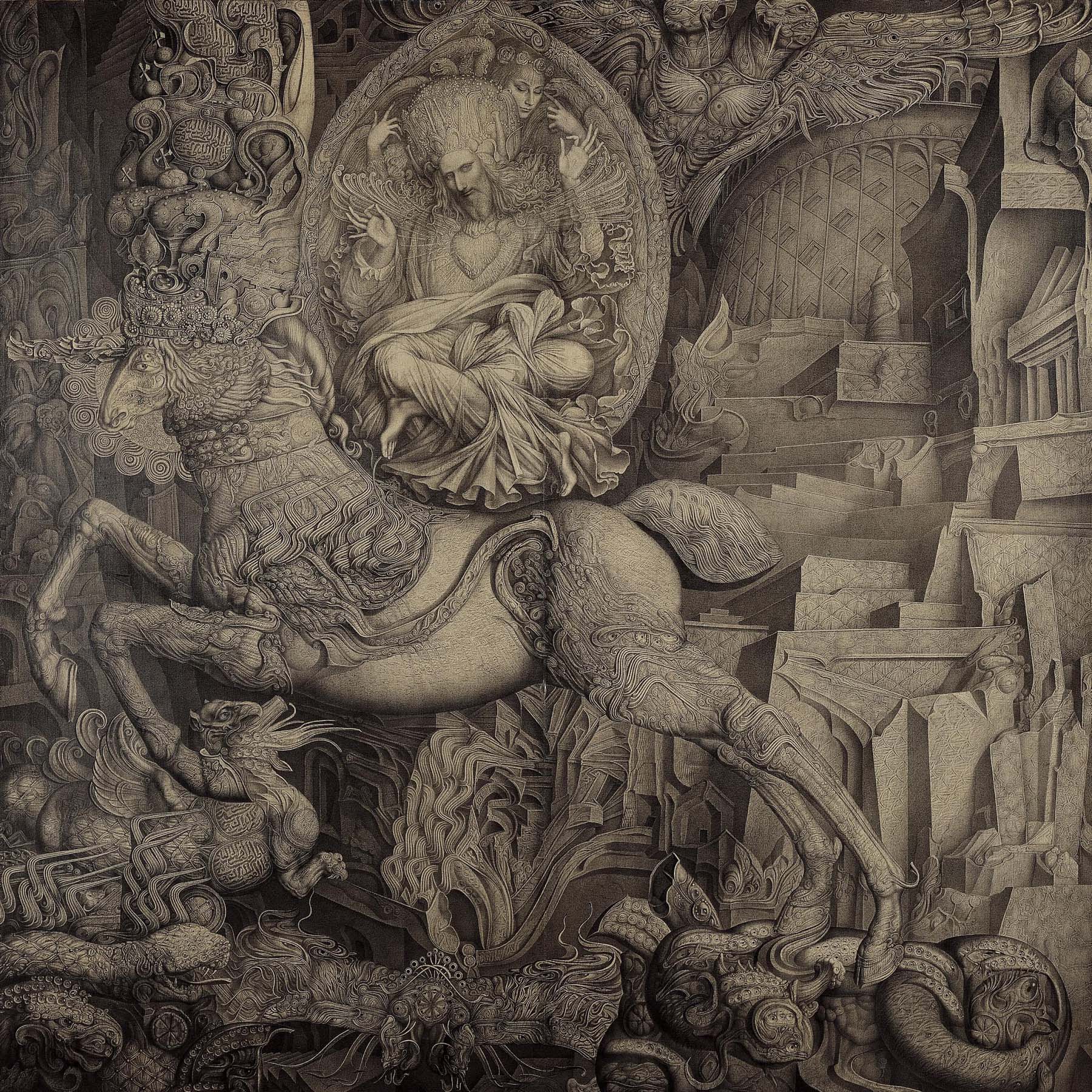 Dossier 4 · 2026
Vision Craft
Charting 21st Century Visionary ArtVisionary art emerged across the twentieth and early twenty-first centuries as a countercurrent to modernist formalism and the dominance of high-concept art. Rather than treating the image primarily as critique, proposition or aesthetic object, it employs signs, symbols and imaginal forms as records of transpersonal exploration—attempts to render altered states, archetypal realities and expanded modes of consciousness visible.
Contribute to this dossier →Want to Contribute?
Essay
An argument or study that advances the field — 2,000–6,000 words, in Cite Them Right Harvard.
Interview
With a living artist, teacher or thinker whose practice bears on the visionary faculty.
Primary text
A classic source republished in full, with an editorial preface framing why it is here.
Plate commentary
A single work read closely — the kind of attention the deep-view plate is built for.
Memorial
An account of a figure whose work shaped the transmission, written by someone who knew it.
Review
Of a book, exhibition or body of work, held to the same evidential standard as the essays.
Helpful Guidance
- LengthEssays 2,000–6,000 words; interviews and primary-text framings by arrangement.
- CitationsCite Them Right Harvard. Every statistic, date and quotation must be real and verifiable.
- VoiceEditorial rigour is not decorative. Argue a position; earn the reader’s attention.
- ImagesSend plates you have the right to reproduce, at the highest resolution you hold.
- OriginalityUnpublished work, or a clearly framed republication with fresh apparatus.
- TermsThe work stays yours.
Tell us your idea
A paragraph is plenty. If it’s a fit, we’ll ask for more.